Reviewing the "Gaming is Not Crime" Design for Real Embroidery Projects
As a designer who has spent years translating digital art into thread, I approach every new machine embroidery design with a mix of curiosity and caution. We have all seen those trendy graphics that look fantastic on a screen but turn into a tangled mess under the needle. Recently, I evaluated the Gaming is Not Crime design to see if it holds up in a real-world production environment. This isn’t just about whether the lines are clean; it’s about whether this piece of art can carry the weight of a commercial product, from a custom sweatshirt to a boutique tote bag.
First Impressions: Attitude Meets Aesthetic
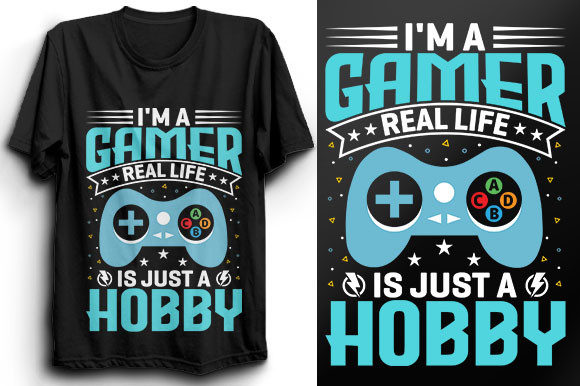
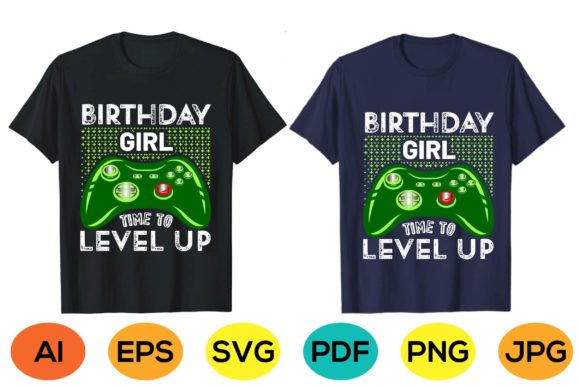
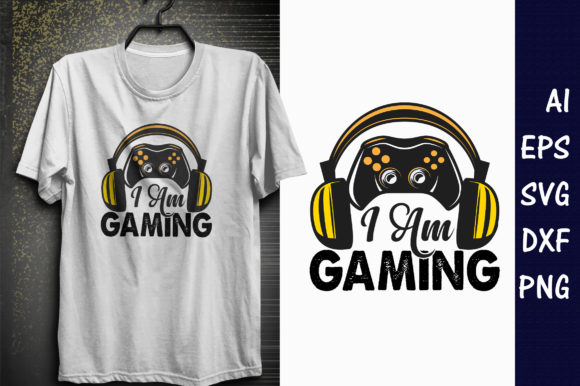
The first thing that strikes you about Gaming is Not Crime is its bold, declarative mood. It taps directly into the culture of modern gamers, offering a statement that is both defensive and proud. Visually, the layout feels balanced, likely relying on strong typography paired with iconic gaming imagery. For an embroidery project, this is promising. Bold shapes generally translate better to thread than wispy, overly detailed illustrations. The visual personality suggests a design that wants to be seen, making it a natural fit for apparel where the message is the main event.
When I look at this as a potential T-Shirt Designs asset, I appreciate the clarity. In the world of Graphics, clutter is the enemy of legibility. If this design maintains its integrity when scaled down, it becomes versatile. If it relies too heavily on tiny details, it might struggle. My initial assessment is that it leans toward a streetwear aesthetic, which pairs well with the textured look of embroidered thread.
The Real-World Test: From Screen to Sweatshirt
To truly judge an embroidery file, you have to imagine it on fabric. I visualized this design stitched onto a heavyweight cotton sweatshirt. This is a common request for small shop owners and Etsy sellers looking to create niche merchandise. The Gaming is Not Crime slogan works exceptionally well here because sweatshirts provide a stable, flat canvas that allows the stitch definition to pop.
I also considered its application on a canvas tote bag. Tote bags are staples for craft fairs and boutique branding. A design like this adds a layer of personality to a utilitarian item. However, the fabric texture of a tote is coarser than a t-shirt. I would need to ensure that the stitch density is high enough to cover the weave of the canvas without pulling the fabric out of shape. If the design uses a lot of open space or running stitches, it might get lost in the texture of a heavy tote. A fill stitch approach would likely yield a more professional finished product.
Challenges with Curved and Stretchy Surfaces
Not every surface is friendly to bold graphics. I thought about applying this to a baseball cap. Caps are tricky. The curved surface distorts designs, and the front panel is often narrow. If Gaming is Not Crime has wide lettering, it might wrap around the sides of the cap awkwardly. For headwear, I would recommend checking the width dimensions carefully. If the design is too wide, it will buckle when hooped. In such cases, scaling it down or using it as a smaller chest emblem on a hoodie might be a smarter move than forcing it onto a hat.
Stretchy fabrics present another hurdle. If a customer wants this on a performance jersey or a thin rayon blend, the stability of the design is crucial. High stitch density can cause puckering on stretchy materials. As a reviewer, I advise using a cut-away stabilizer for these projects to support the weight of the thread. Without proper stabilization, the "crime" might be ruining the garment rather than celebrating gaming culture.
Technical Considerations for the Maker
Before you load this into your machine, there are practical steps every embroidery designer should take. The product description mentions it is an SVG design, which is great for cutting machines, but for embroidery, you need to confirm the file formats compatible with your specific machine. Always check if the provider offers DST, PES, or JEF files if you are doing actual stitching. If you are only using it for printable mockups or heat transfer, the SVG works perfectly. But for needle and thread, format matters.
- Test on Scrap Fabric: Never run a new design on your final garment. Stitch it out on a similar fabric scrap to check for tension issues.
- Check Thread Contrast: This design likely relies on high contrast. Ensure your thread colors stand out against the fabric. White thread on black fleece looks crisp; navy on black might disappear.
- Review Stitch Density: If the design feels heavy, reduce the density slightly to prevent stiffness, especially on baby clothes or lightweight tees.
- Inspect Small Details: Zoom in. Are there tiny elements that might break or bunch up? Simplify if necessary.
Commercial Viability and Customer Appeal
For the Etsy seller or craft business owner, the question is always: "Will this sell?" The Gaming is Not Crime theme targets a passionate demographic. Gamers love to identify with their hobby. This makes the design a strong candidate for personalized gifts, such as birthday presents for teens or custom apparel for gaming tournaments. It creates an immediate connection with the buyer.
However, professionalism is key. A sloppy stitch-out devalues the message. If the satin stitch borders are uneven or the fill stitches gap, the product looks amateurish. To maintain brand consistency, ensure your hoop size is appropriate. Hooping too large a area on a small garment can lead to shifting. Precision builds customer trust. When a buyer receives a handmade product that looks clean and durable, they are more likely to leave a positive review and return for future purchases.
Navigating Licensing and Usage
The description states you get an original design without copyright issues from the creator, suitable for monogram making, logo design, and t-shirts. This is a crucial point for commercial embroidery. While the design is cleared for use, always double-check the specific license terms provided by the seller. Some licenses allow unlimited physical sales but restrict digital redistribution. Since this is marketed as a graphic asset, ensure you are not reselling the digital file itself unless explicitly permitted. Using it to create finished products like aprons, pillow covers, or holiday embroidery items is typically the intended use case.
Final Verdict: A Solid Choice for the Right Project
After evaluating Gaming is Not Crime through the lens of practical application, I find it to be a compelling addition to a designer’s library. It is not just a generic graphic; it is a statement piece. It performs best on stable, medium-to-heavyweight fabrics where the stitches can lay flat and true. It may require careful handling on stretchy or curved surfaces, but with the right stabilizer and hoop strategy, it can shine.
For makers looking to expand their catalog with niche, attitude-driven designs, this fits the bill. It bridges the gap between digital gaming culture and tangible handmade goods. Whether you are creating a custom embroidered patch for a backpack or a standout design for a boutique t-shirt line, this asset offers the visual punch needed to capture attention. Just remember to test, stabilize, and stitch with precision. The design provides the attitude; your skill provides the quality.