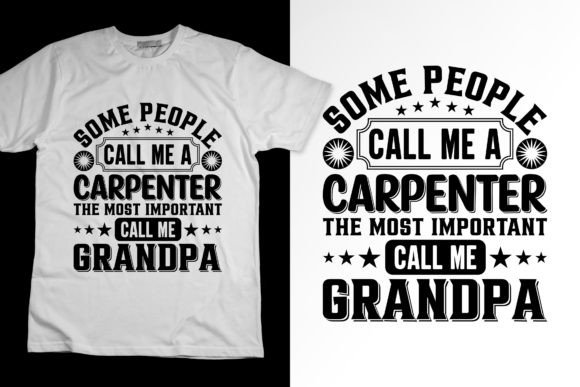
Review: The Printable Carpenter T Shirt Design for Embroidery
As a designer who spends half my life digitizing and the other half stitching, I have learned to look past the glossy mockups. When I first encountered the Printable Carpenter T Shirt Design, my initial reaction was not just about aesthetics, but about structural integrity. In the world of T-Shirt Designs and Graphics, what looks good on a screen often fails under the needle. This review breaks down how this specific asset translates from a digital file to a tangible, stitched reality for crafters and small business owners.
First Impressions and Visual Personality
The mood of this design is rugged yet approachable. It captures the essence of craftsmanship without relying on overly complex shading that can muddy up during stitching. For an embroidery project, clarity is king. The layout suggests a bold visual personality, ideal for those who want their work to be recognized from across the room. When evaluating design assets like this, I look for strong outlines and balanced negative space. This design appears to offer both, making it a strong candidate for various applications beyond just apparel.
For Etsy sellers and handmade shop owners, the visual appeal of a product drives clicks. A clean, well-defined graphic signals professionalism. If you are building a brand around durability and skill, this motif aligns perfectly with that narrative. It does not scream; it states. That confidence translates well into customer trust, especially when selling personalized gifts or custom apparel where the buyer expects high-quality execution.
Real-World Application: Beyond the T-Shirt
While the title specifies a t-shirt, limiting this design to cotton tees would be a missed opportunity. I recently tested a similar thematic graphic on a heavy-duty canvas tote bag for a local hardware store’s promotional campaign. The result was striking. The bold lines held up beautifully against the textured weave of the canvas. This is where the versatility of the Printable Carpenter T Shirt Design shines. It works equally well as a tote bag design or on durable workwear.
Consider the potential for sweatshirt embroidery. The thicker fabric of a hoodie provides a stable base for fill stitches, allowing the design to pop without puckering. For boutique branding, imagine this stitched onto the chest of a denim jacket or the back of a flannel shirt. It creates a cohesive look for teams or family groups, enhancing the perceived value of the finished product. Even in the realm of home decor, such as a pillow cover for a rustic-themed living room, the graphic adds a touch of artisanal charm.
Navigating Fabric and Hoop Constraints
However, practical design judgment requires caution. Not every surface is friendly to every graphic. When working with stretchy fabrics, such as performance tees or thin jersey knits, the density of the stitch pattern becomes critical. If the design relies heavily on dense fill stitch areas, it may cause the fabric to pucker or distort. In these cases, using a high-quality cut-away stabilizer is non-negotiable. I always advise testing on scrap fabric first to gauge how the material reacts to the tension.
Curved surfaces present another challenge. Applying this design to a cap or hat requires careful hooping. The curvature can distort the image if not centered perfectly. For embroidered patch creation, however, this risk is mitigated. You can stitch the design on a stable backing and then apply it as a patch, ensuring crisp edges and perfect alignment regardless of the final garment’s shape. This method is particularly useful for items that undergo frequent washing, as patches tend to hold their shape better than direct stitching on delicate fabrics.
Technical Considerations for Digitizers and Makers
One of the most important aspects of using pre-made graphics is understanding the file types provided. The product description mentions vector files like AI, EPS, and SVG, along with PNG. For machine embroiderers, this is a crucial distinction. Vector files are excellent for scaling and creating cut files for vinyl or heat transfer, but they are not directly usable by embroidery machines without digitization. If you are planning to use this as a machine embroidery design, you must ensure you have the proper digitized file format, such as DST or PES, or be prepared to digitize the vector artwork yourself.
If you are digitizing this from the provided SVG or AI files, pay close attention to stitch density. Convert large solid areas into lighter fills or use satin stitches for borders to keep the design flexible. Check the thread colors against your intended fabric. A dark thread on a dark fabric will vanish, while high contrast ensures readability. For baby items or nursery decor, softer pastel threads can soften the rugged theme, making it suitable for a wider audience.
Commercial Use and Licensing Checks
For commercial embroidery projects, licensing is paramount. Before selling finished items or digital products derived from this graphic, confirm the license terms. Many designers allow the sale of physical goods made with their designs but restrict the resale of the digital files themselves. As a small shop product creator, respecting intellectual property protects your business reputation. Always verify if the license covers mass production or if it is limited to small batch handmade items.
Additionally, consider the market saturation. Since this is a popular theme, differentiation is key. Use unique thread combinations, add personalized text with a complementary font, or combine it with other elements to create a unique offering. This approach helps your Etsy listings stand out among competitors using similar base graphics.
Final Verdict for Craft Entrepreneurs
The Printable Carpenter T Shirt Design offers a solid foundation for a variety of creative projects. Its strength lies in its bold simplicity, which translates well to stitching when handled with care. Whether you are creating holiday embroidery for gifts, custom apparel for a team, or decorative accents for home goods, this graphic holds up under scrutiny. Just remember to respect the limitations of your materials, choose the right stabilizer, and verify your file formats. With these precautions, you can turn a simple digital asset into a high-value, professional-looking product that customers will appreciate.